Salaries in the dark.
Proof in the open.
zkPayslip moves salaries through the STRK20 privacy pool — nobody sees who was paid what — while any employee can still prove their income to exactly one verifier, exactly once.
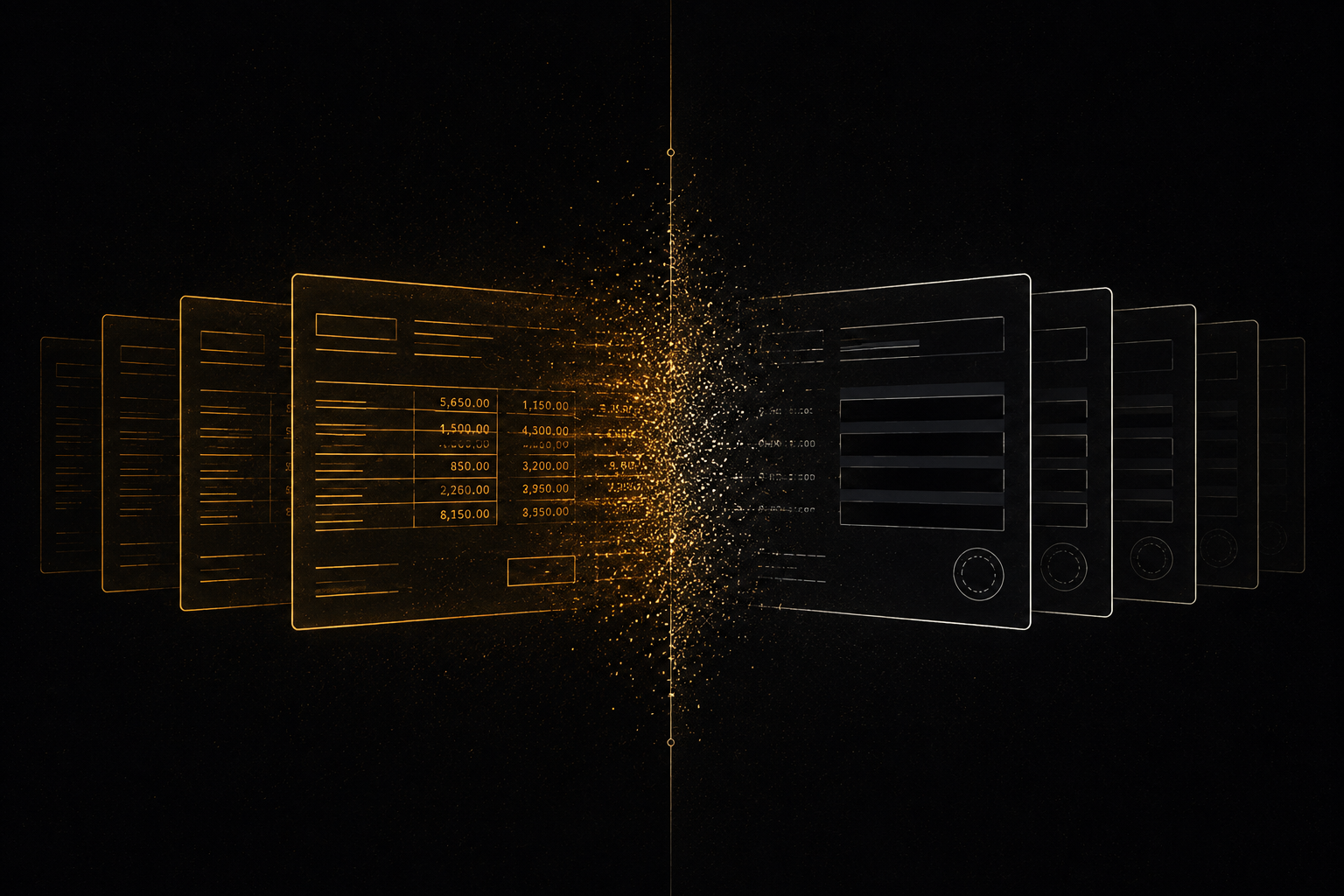
The pool swallows the payroll.
Every salary enters the STRK20 pool as a private transaction. On-chain there are no amounts and no recipients — rotating relayers submit, the pool settles, and the ledger shows movement without meaning.
One proof. One verifier. Once.
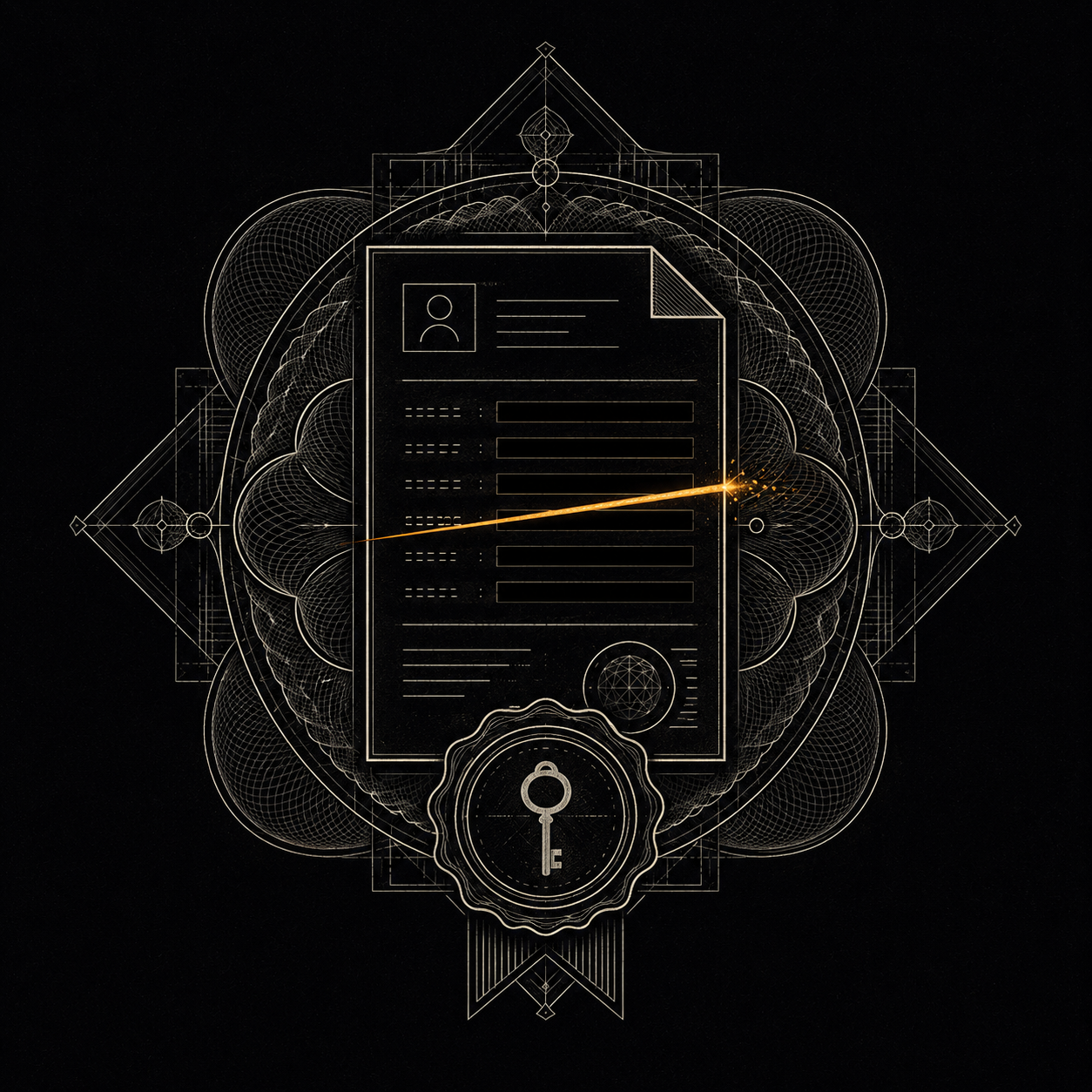
When a bank asks, the employee mints a proof bound to that single verifier. It reveals exactly one fact, it expires, and redemption burns the nullifier — a second read is impossible, and the contract enforces it.
A handshake, then the money.
A channel opens through ECDH: the pool derives the shared secret from the recipient's public viewing key, which only exists on-chain after they register. There is no send-now-claim-later — the handshake comes first.
Three roles. One dark rail.
Asked,
answered.
Can my employer see my balance?
No. Pool notes decrypt only with your viewing key, which never leaves your wallet — not even this application sees it. Your employer sees their own treasury, never yours.
Can a verifier reuse or forward my proof?
Redemption is single-use and bound to one verifier address; a second attempt fails on-chain. What a legitimate verifier retains after reading it is inherent to any disclosure — we say that plainly rather than overclaim.
Is this a mixer?
No. STRK20 is a note-based pool with on-chain STARK proof verification and mandatory deposit screening, enforced by the protocol itself. Private from the public — not from lawful oversight.
What stays public?
The edges: that the pool is used, when, and the amounts that enter or leave it. What disappears is who paid whom, how much per person, and which notes were spent.
Does checking a proof need a wallet?
No — anyone can run the read-only check against the chain. Only burning the nullifier needs a signature, and the contract accepts it from the verifier's address alone.
Step inside the dark.
The console is live on Sepolia. Walk it as a guest — every signing action unlocks with a wallet.